
Fishing for Litter reaches 600 tonnes recovered from Guanabara Bay
In the days following the International Day for the Conservation of the Mangrove Ecosystem, observed on 26 July, BVRio’s Fishing for Litter programme reached a new milestone: 600 tonnes of waste recovered from the islands, shores, shallow waters and mangroves of Guanabara Bay.
The result represents a further 100 tonnes removed from the environment in less than nine months, following the programme’s 500-tonne milestone in October 2025.
Since 2021, Fishing for Litter has paid artisanal fishers for the environmental service of collecting waste. Using traditional boats and their knowledge of local waters and tides, they can reach areas where conventional clean-up operations cannot.
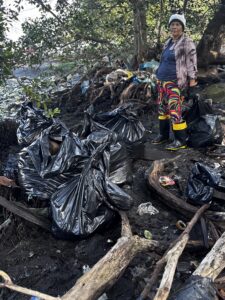 “One of our difficulties is getting into the mangroves; the boat cannot always reach where most of the waste is,” says Odete, one of the fishers involved. The materials recovered range from plastics, glass bottles, textiles and metals to bulky items such as tyres and refrigerators.
Each collection is weighed, photographed and geolocated through the KOLEKT app. Materials are then sent to local recycling cooperatives or, when recovery is not viable, to an appropriate final destination. This system turns coastal clean-up into a traceable and verifiable environmental service while generating additional income for fishing communities.
The 600-tonne milestone brings together operations supported over time by Ogyre, Ocyan and BVRio. Including 130 tonnes collected in Mozambique, Fishing for Litter activities had recovered more than 730 tonnes of waste by 30 June 2026.
The progress is significant, but it also demonstrates the urgency of the challenge: around 80 tonnes of solid waste enter Guanabara Bay every day through the rivers and canals that drain into it. As a next step, BVRio and the Rio de Janeiro State Environment Institute (INEA) are working to install the first river barrier managed by the programme, expanding its approach from collecting waste in mangroves to intercepting it before it reaches the Bay.
Learn more about Fishing for Litter and how to support its expansion.


